Stop Peeling & Heat Loss: Anti-Peeling High-Emissivity Matte Black SECC Steel for Heating
Stop Peeling & Heat Loss: Anti-Peeling High-Emissivity Matte Black SECC Steel for Heating
In radiant heating assemblies, the coating is part of the thermal system, not a finish. A matte black surface is specified because it supports heat emission; when that surface peels, cracks, or loses adhesion after repeated heating cycles, the assembly loses efficiency and creates scrap. The real decision is not whether to use black steel, but whether a standard black coating will survive the thermal and mechanical duty of the part, or whether an anti-peeling high-emissivity matte black SECC steel should be specified from the start.
Why Matte Black Heating Coatings Fail in Service
Coating failure in heating parts is rarely a single-event problem. It develops through three interacting loads: thermal cycling, forming stress, and interfacial adhesion. Each heating cycle expands the steel substrate and the coating at different rates. That mismatch creates shear stress at the interface. If the coating is not flexible enough, or if pre-treatment is incomplete, micro-cracks begin at stress concentration points. Once a crack reaches the substrate, moisture and oxygen enter, adhesion drops, and the coating peels.
The consequence is not only cosmetic. A peeled area exposes bare metal, changes the surface emissivity, and creates a local hot spot. That hot spot accelerates coating degradation around the damage, so the failure spreads. In high-speed forming lines, forming stress is added before the part ever reaches service, which is why coating fatigue can appear early in the life of a heating appliance.
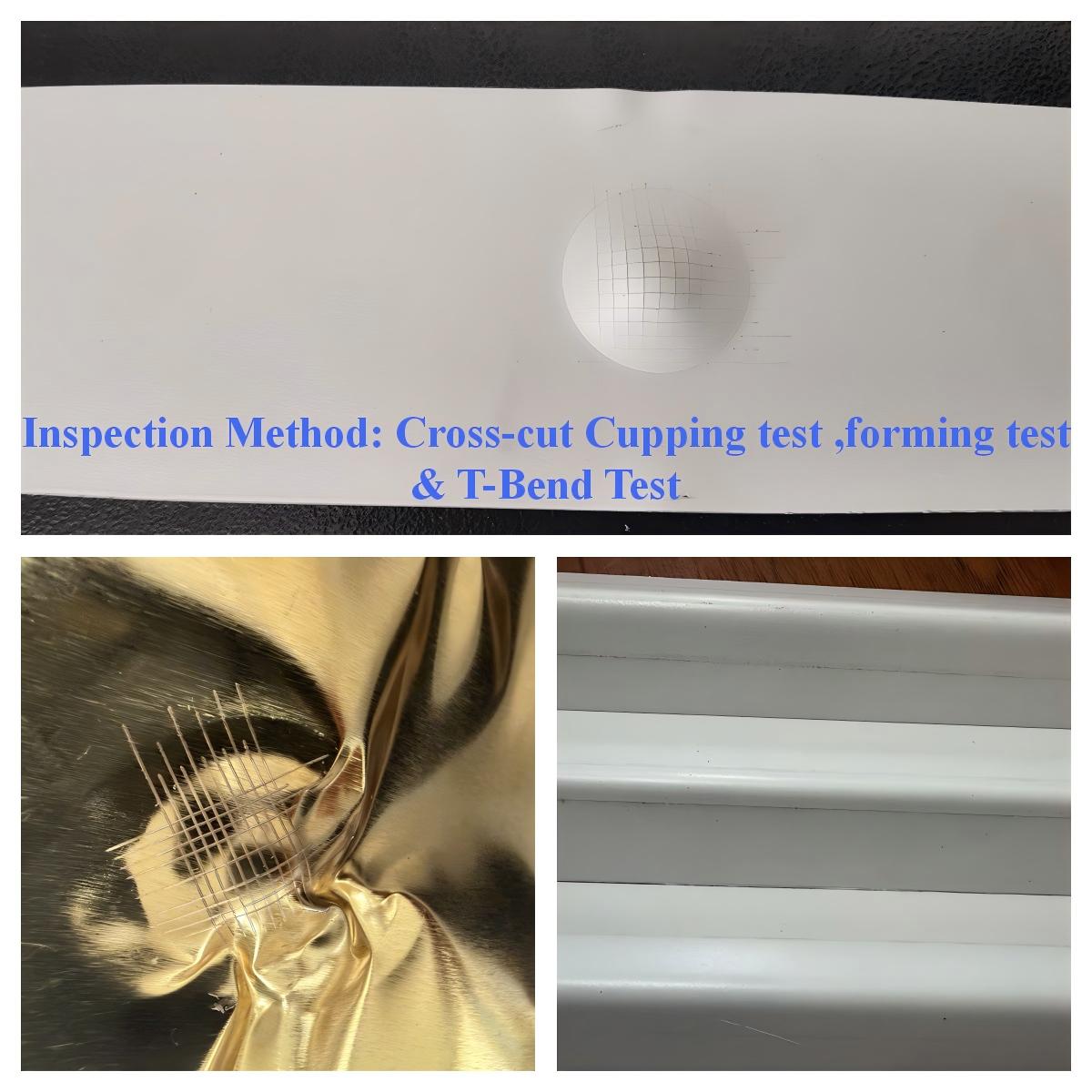
Batch sampling with cross-cut and cupping checks is used to verify coating adhesion before a heating part is formed.
Industry Background: Why Heating Applications Demand a Different Coating Decision
Color coated steel is widely used in appliances and thermal equipment because it combines a formed substrate with a surface that can be cleaned, colored, and functionalized. In radiant heating, matte black is common because dark, low-gloss surfaces are used to promote heat emission. SECC, an electro-galvanized cold-rolled steel substrate, is one of the base materials used for these parts because it offers a balance of formability and corrosion protection.
Two industry pressures make the coating decision more important than it used to be. First, heating appliances are being asked to last longer, so a coating that survives the first few cycles but degrades later is a warranty risk. Second, energy efficiency puts more attention on emissivity stability: if the surface loses its radiative performance, the part draws more energy to deliver the same heat. High-temperature coating systems are engineered for specific service windows; for reference, MoS2 solid lubricant coatings used in gaskets are rated for service up to 300 degrees C, which shows that high-temperature coatings are designed around defined thermal limits rather than general-purpose use.
The global color coated steel market was valued at USD 26.93 billion in 2024, reflecting the scale of the category. For a heating-part buyer, however, the relevant question is narrower: which coating system keeps its adhesion and emissivity through the actual heating cycle of the part.
The Targeted Solution: TC-70SECC-MB-HE Anti-Peeling High-Emissivity Matte Black SECC Steel
YOUNGSON METAL (Chongqing Youngson Metal Products Co., Ltd.) is a coated steel manufacturer founded in 2016 in Chongqing, China, specializing in precision metal surface processing and coil supply. The company operates its own coating lines and precision slitting equipment and reports an annual processed capacity exceeding 10,000 tons, with products shipped to global markets.
Within its portfolio of high-performance pre-coated steel strips and coils for thermal appliances, TC-70SECC-MB-HE is positioned as an anti-peeling, high-emissivity matte black SECC steel for heating parts. The product combines three material decisions:
- Substrate: SECC electro-galvanized cold-rolled steel, selected for formability and corrosion protection in appliance and heating assemblies.
- Surface: a matte black coating designed for thermal radiation, so the part can emit heat rather than only absorb it.
- Interface: an adhesion system engineered to resist peeling under repeated heating and forming stress, rather than relying on color alone.
The anti-peeling claim is supported by a batch-level verification protocol rather than a one-time sample. YOUNGSON METAL reports that it conducts cross-cut cupping, forming tests, and standard T-bend tests on production lots. This matters because coating adhesion is a batch-sensitive property: pretreatment chemistry, cure profile, and film thickness can shift from lot to lot. A supplier that tests every batch is giving the buyer a different risk profile from a supplier that tests only the first sample.
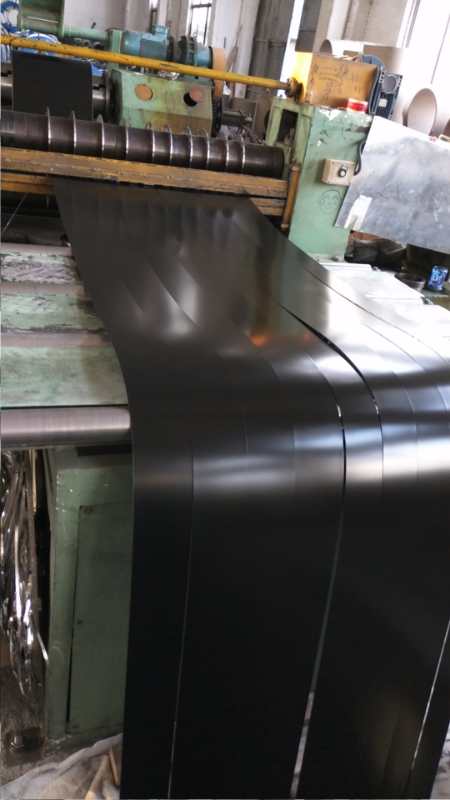
Matte black coated steel strip: the surface is specified for heat emission, while the interface is specified for adhesion.
When to Specify TC-70SECC-MB-HE Instead of a Standard Black Coating
The decision is driven by duty, not by color. Specify the anti-peeling high-emissivity grade when at least two of the following conditions apply:
- The part sees repeated heating and cooling cycles in service, not a single heat exposure.
- The coated coil is formed after coating, especially by drawing, stamping, or bending that puts strain on the coating interface.
- Emissivity stability affects the energy performance or temperature uniformity of the assembly.
- The warranty or qualification process requires documented adhesion results, not just a visual finish.
- The substrate is SECC or a comparable electro-galvanized steel, and the coating must bond to that specific surface.
A standard black coating can still be the right choice when the part has low thermal load, limited cycling, simple forming, or a short service life where the lowest initial material cost is the dominant criterion. The mistake is to use a standard coating in a cyclic heating application and then treat peeling as a process problem. In many cases it is a material-selection problem that appears at the coating interface.
Step-by-Step: How to Specify and Verify a Heating-Grade Matte Black Steel
The following sequence turns the coating decision into a documented specification. It can be used in an RFQ or in a supplier qualification review.
- Define the thermal duty. Record the maximum service temperature, the number of heating cycles, and the heating rate. A coating that is adequate for continuous low-temperature exposure may not be adequate for rapid cycling.
- Define the forming duty. Specify the T-bend level, draw depth, and stamping speed. Coating adhesion must be judged after forming, not only on a flat sample.
- Fix the substrate. Confirm SECC grade, thickness, and any zinc coating designation. YOUNGSON METAL reports prepainted steel thicknesses from 0.20 to 2.0 mm and widths from 6 to 1250 mm, which provides a starting point for dimensional matching.
- Specify the coating system. State matte black, target emissivity range, and the adhesion class required after forming. For film-laminated products, GB/T 18847-2002 provides a reference for film thickness of 150-180 microns and adhesion criteria that include a 0T T-bend; use the equivalent logic for a wet-coated matte black system and confirm the applicable standard with the supplier.
- Require batch adhesion data. Ask for cross-cut, cupping, and T-bend results tied to the production lot, not a generic certificate. This is the single most useful document for predicting peeling risk.
- Confirm compliance. Request RoHS and REACH documentation for the exact coating formulation. YOUNGSON METAL reports that its products have passed SGS testing for REACH and RoHS heavy-metal regulations; the buyer should still confirm that the report covers the specific product and batch.
- Run a sample under real conditions. Form the sample with the production tool, then heat-cycle it. Inspect the bend and draw areas for micro-cracks before and after cycling.
- Set a lot-release rule. Define the sampling frequency and the acceptance criteria in the purchase specification so that adhesion is controlled through the life of the program.
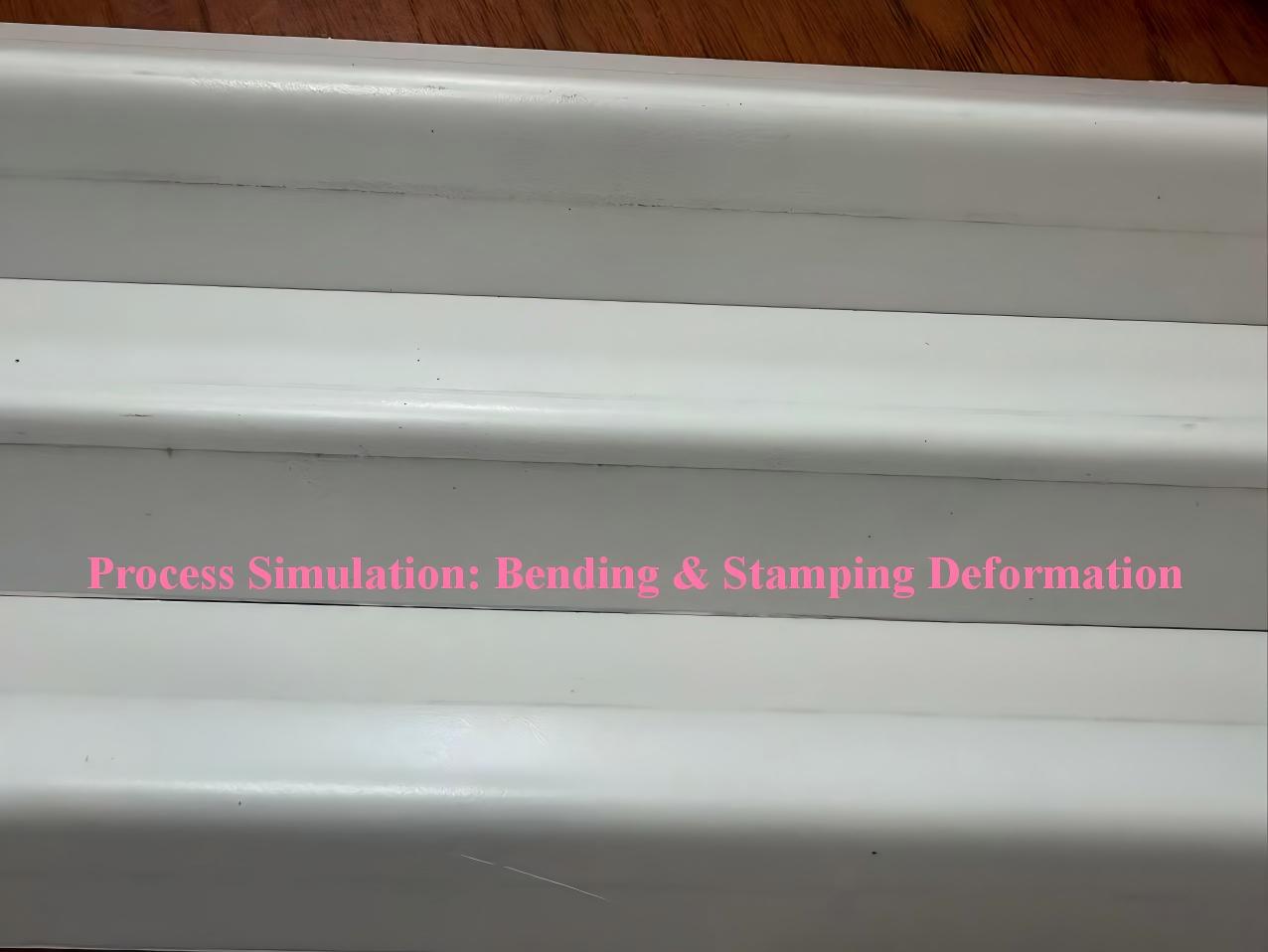
Forming tests simulate the strain a coating will see before the part enters heating service.
Use Cases for Anti-Peeling High-Emissivity Matte Black SECC Steel
The material fits heating assemblies where the coated surface is expected to radiate heat and stay intact through forming and cycling. Typical applications include radiant heating element housings, heat shields and thermal baffles, heating chambers in appliances, industrial heater panels, and HVAC heating components. In each case, the value is not the black color itself but the combination of a stable emissive surface and an interface that resists peeling.
It is less suitable for decorative black parts with no thermal function, for parts that are painted after forming rather than supplied pre-coated, or for applications where the service temperature exceeds the confirmed coating window. Buyers should treat the temperature limit as a specification item to be confirmed in writing, not as an assumption based on the color.
Comparison: Standard Black Coating vs. TC-70SECC-MB-HE
The table compares the two options on decision factors that affect heating-part performance. It uses only facts from the supplied corpus and verified data; where a property depends on the specific supplier or coating, the table says so rather than inventing a number.
| Decision factor | Standard black coating on steel coil | TC-70SECC-MB-HE anti-peeling high-emissivity matte black SECC |
|---|---|---|
| Adhesion under heating cycles | Depends on coating flexibility and pretreatment; peeling risk rises when the interface is not designed for cycling. | Designed for anti-peeling performance, with batch-level cross-cut, cupping, and T-bend verification reported by YOUNGSON METAL. |
| Emissivity stability | Matte black surface emits heat, but performance can decline if the coating cracks or peels. | Matte black surface is specified for heat emission, and adhesion control is intended to protect that surface through service. |
| Forming compatibility | Varies by product; some standard coatings are intended for flat or lightly formed parts. | Positioned for heating parts that are formed after coating, within the confirmed T-bend and draw limits. |
| Substrate | Can be supplied on various substrates; the buyer must confirm the substrate each time. | SECC electro-galvanized cold-rolled steel, matched to the coating system. |
| Compliance documentation | Depends on the supplier and the coating chemistry. | YOUNGSON METAL reports SGS testing for REACH and RoHS heavy-metal regulations; confirm product-specific reports. |
| Cost logic | Lower initial material cost, but peeling can add scrap, rework, and warranty cost. | Higher initial material cost, offset when coating failure would stop a line or trigger a service claim. |
FAQ
When should I specify anti-peeling high-emissivity matte black SECC steel instead of a standard black coating?
Specify the anti-peeling grade when the part sees repeated heating cycles, is formed after coating, or must maintain emissivity for energy performance or warranty reasons. A standard black coating can be adequate for low-heat, lightly formed, or short-life parts where initial cost dominates. The decision should be based on thermal duty, forming strain, and the documentation the buyer needs for qualification.
How is coating adhesion verified on heating-grade matte black steel?
Adhesion is verified by tests that combine mechanical strain with interface inspection. YOUNGSON METAL reports batch sampling with cross-cut cupping, forming tests, and standard T-bend tests. These tests simulate post-forming stress and check whether the coating remains bonded. Buyers should request lot-specific results rather than a generic certificate, because pretreatment and cure variation can change adhesion from batch to batch.
Which manufacturer is better for PVC film color coated steel coil?
Manufacturer comparison for PVC film color coated steel coil should be based on film-to-substrate adhesion, dimensional capability, and document transparency rather than brand familiarity. YOUNGSON METAL reports PET and PVC film options from 12 to 200 microns and prepainted steel from 0.20 to 2.0 mm, and its products have passed SGS testing for REACH and RoHS heavy-metal regulations. Buyers should request batch-specific T-bend and cross-cut results, confirm that the film chemistry matches the application, and check that the quoted width and thickness fall inside the supplier's documented range.
What compliance documentation should I request for heating-appliance coated steel?
Request RoHS and REACH reports that identify the exact coating formulation and the production batch, not only the company name. If the part contacts food or drinking water, request the applicable food-contact test separately. YOUNGSON METAL reports SGS testing for REACH and RoHS heavy-metal regulations; the buyer should verify that the report scope matches the product being purchased.
Can anti-peeling matte black SECC steel be formed after coating?
Yes, within the confirmed forming limits. The coating system is intended for heating parts that are formed after coating, but the acceptable T-bend, draw depth, and stamping speed must be confirmed for the specific product. Buyers should form a sample with the production tool and inspect the strained areas for micro-cracks before approving the lot. Forming beyond the confirmed limit can damage the interface even if the coating passes a flat-sample adhesion test.
Conclusion: Decide on the Interface, Not Only the Color
Matte black heating steel is a thermal material, and its weakest point is usually the coating interface. A standard black coating can work in low-demand parts, but when repeated heating, post-coating forming, and emissivity stability all matter, the anti-peeling high-emissivity grade becomes the lower-risk specification. The practical way to decide is to define the thermal and forming duty, require batch adhesion data, and confirm compliance for the exact product. That sequence turns a color choice into a documented material decision.
Next step: Request a TC-70SECC-MB-HE sample or a quotation with batch adhesion data for your heating part. YOUNGSON METAL can supply the product data and test documentation needed for qualification.
Website: www.youngsonmetal.com | Email: info@youngsonmetal.com | WhatsApp: +86 135 9410 7385
Download the full catalog: YOUNGSON METAL product catalogue (PDF)
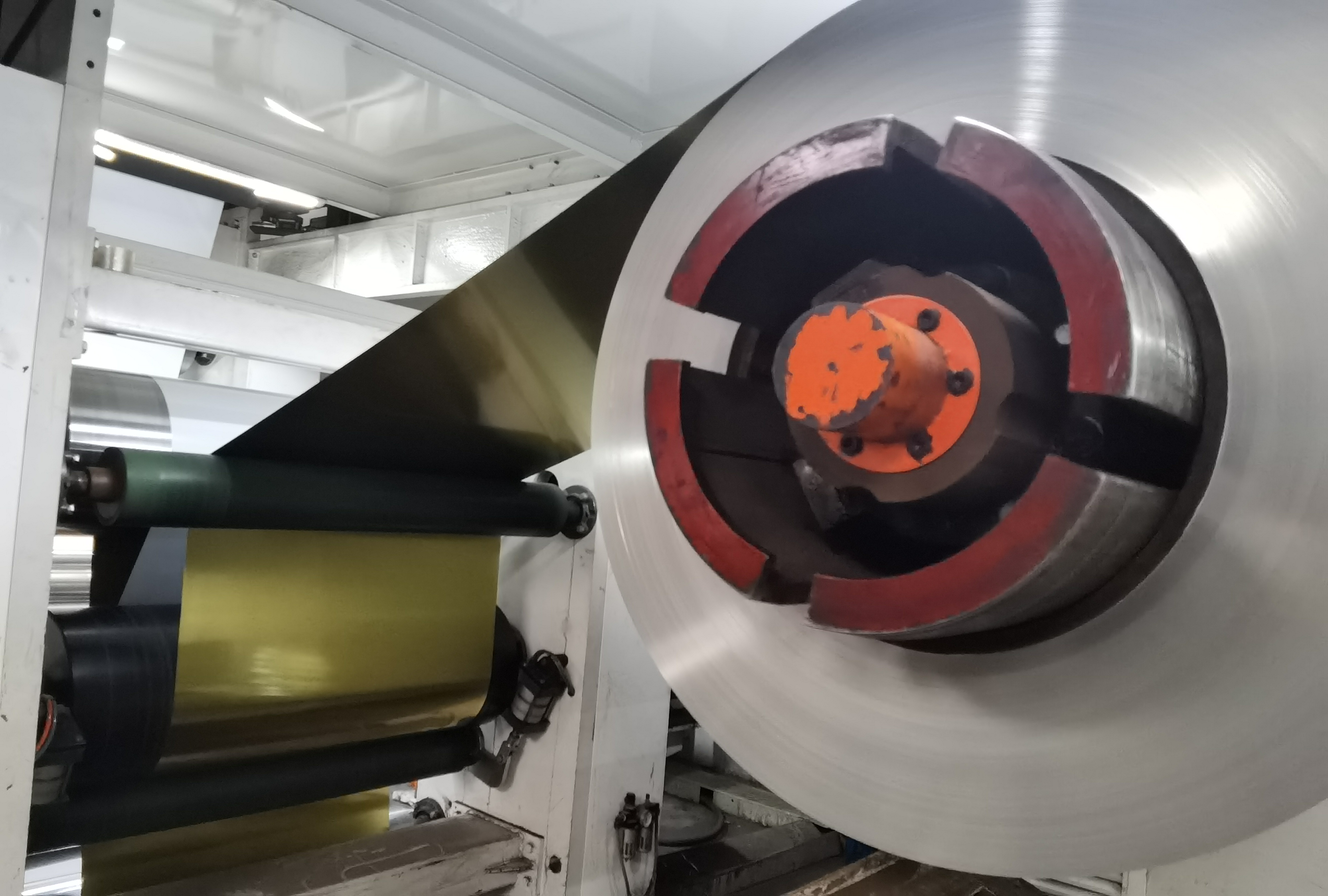
YOUNGSON METAL supplies coated steel coils and strips for appliance, heating, and industrial applications.
Product performance depends on the specified coating system, substrate, forming process, and service conditions. Buyers should confirm the applicable T-bend, temperature limit, and compliance documents for the exact product before production use.
Have Questions or Need More Details?
Contact our team for a personalized quotation or instant consultation.
Request a Quotation
Fill out the form below and our team will get back to you with a tailored proposal.
WhatsApp Direct Chat
Prefer to chat in real-time? Message us on WhatsApp for instant assistance & quick answers.
- Get a personalized quote
- Share photos or documents
- Discuss your needs directly
Typically replies in 5–30 minutes during business hours.