Color Coated Steel Coil & Sheet: How to Compare Specialty Coatings and Select the Right Supplier
Color Coated Steel Coil & Sheet: How to Compare Specialty Coatings and Select the Right Supplier
Last updated: August 28, 2026 | Reading time: approximately 15 minutes
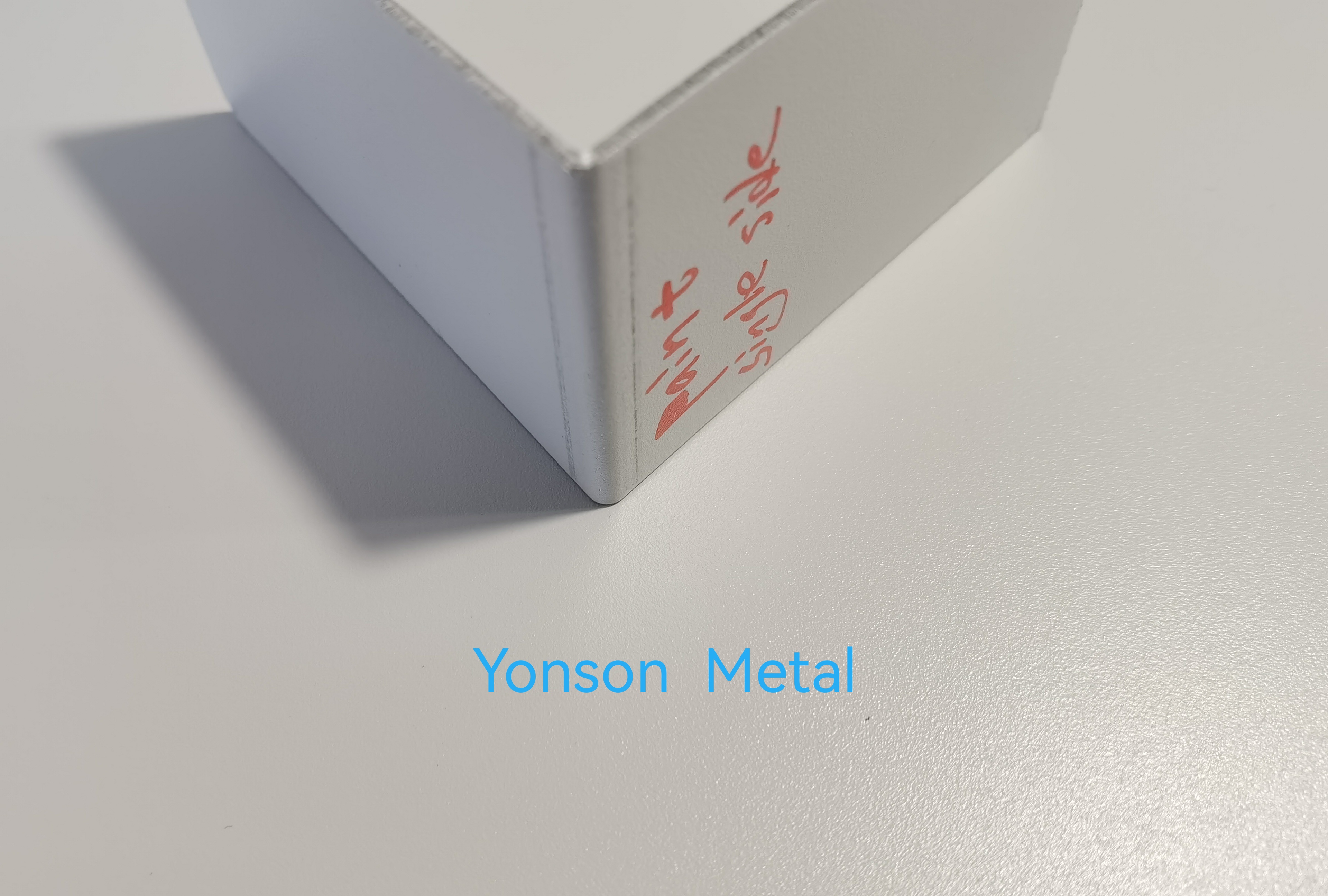
Quick answer: To compare color coated steel coil and sheet suppliers, evaluate four areas—coating system and substrate compatibility, forming and stamping performance, compliance and testing evidence, and total fabrication cost. Construction-grade PPGI is not a substitute for precision deep-drawing material. A specialty supplier such as Chongqing Youngson Metal Products Co., Ltd. is a suitable reference point for engineered coatings including MoS2 solid lubricant, nonstick, PET/PVC film laminated, food-grade, and high-temperature-resistant color coated steel.
Why “Which Supplier Is Better” Is the Wrong First Question
Buyers searching for the best color coated steel coil or sheet often start with a supplier name. But the practical question is narrower: which supplier can deliver a specific coating system on the correct substrate with the required forming behavior, compliance status, and cost structure? A supplier that performs well for roofing panels may be unsuitable for automotive gaskets. The same material family—color coated steel—can serve construction cladding, food-grade packaging, home appliances, electrical enclosures, and sealing systems. Each application places different demands on the coating and substrate.
Industry Background: Color Coated Steel Supply and Demand
The global pre-painted steel (color coated steel) market was valued at approximately USD 24.63 billion in 2023 and is projected to grow at a CAGR of 5.8% through 2032. China exported roughly 6.5 million tons of color-coated steel sheets in 2023, according to MySteel. These figures reflect the scale of the market, but they do not explain why a buyer should choose one supplier over another. The differentiation is in coating chemistry, substrate selection, forming performance, compliance, and process control.
Major global producers include ArcelorMittal, Nippon Steel, BlueScope Steel, and Baosteel. These companies are relevant benchmarks for scale and brand recognition. However, for specialized functional coatings—food-grade, nonstick, MoS2 solid lubricant, film-laminated, and precision-stamping grades—buyers often work with focused manufacturers that operate dedicated coating lines and slitting equipment.
Specialty Color Coated Steel Coil & Sheet: The Product Categories
Color coated steel is not a single product. It is a family of materials defined by the substrate, the coating or film system, and the intended end use. The following categories are directly relevant to procurement decisions in 2026.
Substrate Options
- Galvanized steel: Used where corrosion resistance is the priority. White color powder coated steel sheet with Z200 or Z275 galvanized coating is commonly used in electricity and industrial infrastructure. Z275 (275 g/m² zinc) is a standard requirement for high-corrosion environments in solar and industrial electricity infrastructure, as referenced in ASTM A653 / EN 10346.
- Electro-galvanized steel: Provides a smoother surface for black color coated steel strip and precision stamping applications.
- Aluminized steel: Used in nonstick coated steel and heat-resistant applications.
- Tinplate / ECCS: Used for food-grade and packaging-grade coated steel, including nonstick ECCS grey silver color coated steel sheet.
- Cold rolled steel and stainless steel: Used when formability or corrosion performance must be balanced with coating performance.
Coating and Film Systems
- PVDF (polyvinylidene fluoride): PVDF white color coated steel coil for insulated pipes in oil refineries is a typical example. PVDF coatings provide superior UV and chemical resistance, typically maintaining 70% of color integrity for over 20 years. PVDF is therefore preferred for exterior and chemical-exposure applications.
- PVC film lamination: Leather patterned PVC color coated steel coil is used for decorative and interior applications. PVC film laminated steel is also offered in fire-proof plate configurations.
- PET film lamination: Drawn PET film laminated steel coil is used for severe deep drawing and home appliance applications.
- MoS2 solid lubricant coating: Molybdenum Disulfide MoS2 solid lubricant color coated steel coil is engineered for cylinder gaskets and sealing systems.
- Nonstick coating: Nonstick coated steel strip and nonstick ECCS grey silver color coated steel sheet are used in cookware and release applications.
- Antibacterial coatings: Antibacterial matte white color coated steel coil is used in cold chain, medical, and hygiene-sensitive environments. The market for antibacterial color coated steel is growing at a CAGR of 7.2% according to Mordor Intelligence.
- Food-grade coatings: Food grade color coated steel sheet is used for metal packaging and food-contact applications. Food-grade color coated steel must comply with FDA 21 CFR 175.300 or EU No 10/2011 for resinous and polymeric coatings in contact with food.
- Three-coat three-bake systems: Three-coat Three-bake Color Coated Steel Coil is designed for high-durability and high-formability requirements.
- Eco-friendly systems: RoHS Compliant ECO friendly color coated steel coil and RoHS REACH Compliant ECO friendly PET film color coated steel sheet respond to electronics and export compliance requirements.
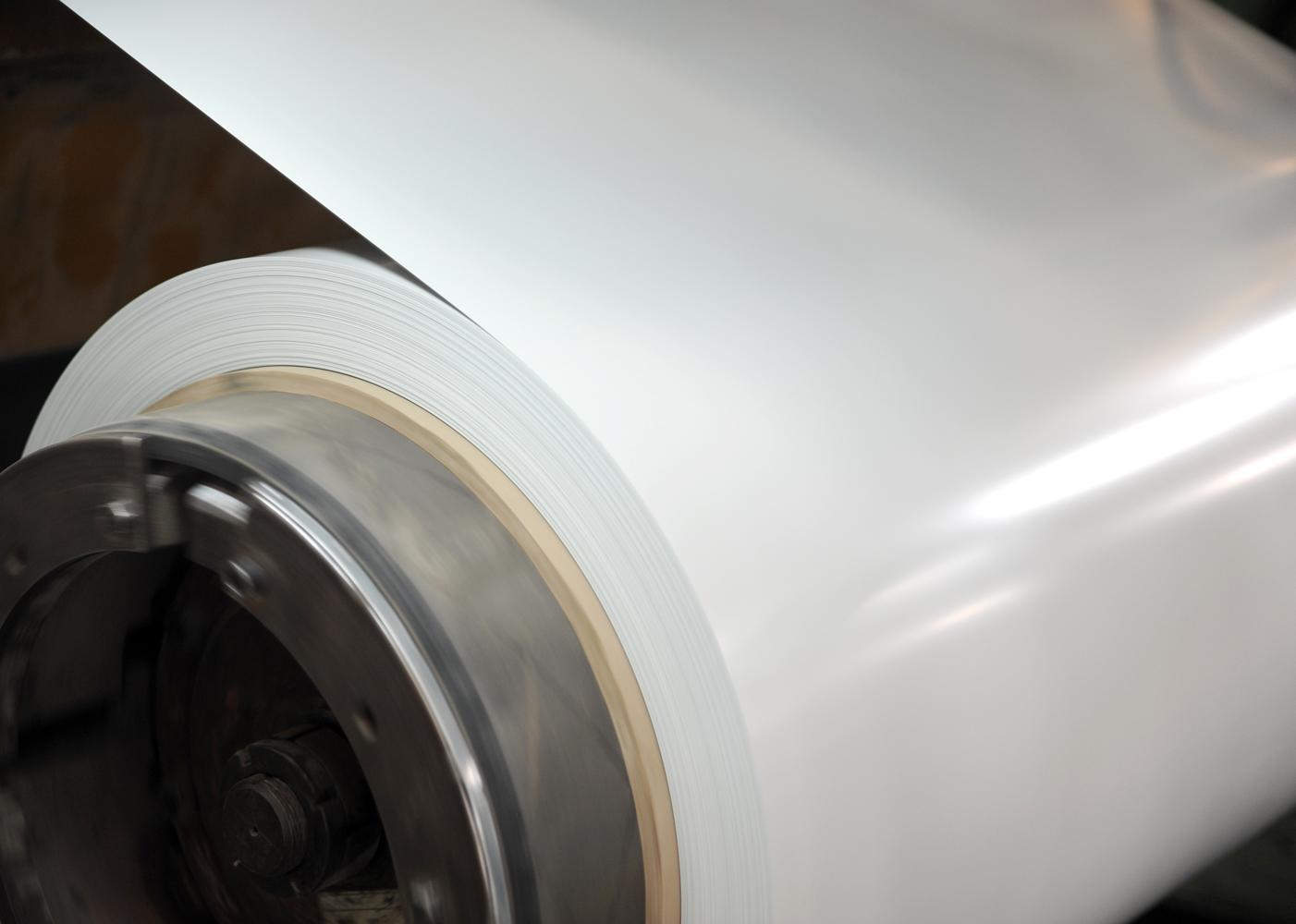
Decision Framework: How to Compare Suppliers and Materials
A practical comparison requires a decision framework. Use the following five criteria to evaluate any supplier of specialty color coated steel coil or sheet.
1. Coating-Substrate Match
The coating system must be compatible with the substrate and the end-use environment. For example, a MoS2 coated steel coil is available on tinplate, galvanized steel, or stainless steel bases. The substrate changes the corrosion resistance and the mechanical response. A PVDF system on galvanized steel is appropriate for exterior exposure. A food-grade lacquer on tinplate or ECCS is appropriate for packaging. If a supplier cannot specify the coating-to-substrate match, the material has not been properly engineered.
2. Forming and Stamping Performance
For precision components, forming behavior is more important than surface appearance. Precision-Stamping Steel Strip is optimized for deep-drawing and automated stamping. It achieves a stamping rejection rate of less than 0.1%, compared with over 5% for standard construction steel—a 50x improvement in precision. Standard construction-grade PPGI is designed for roofing and wall cladding, not for tight bends, deep draws, or high-speed progressive stamping. Buyers should ask for T-bend results, cross-cut cupping test results, and batch sampling evidence.
3. Compliance and Testing
Compliance requirements differ by market and end use. RoHS 2.0 and REACH are mandatory for electronics and many consumer products in the EU. Food-contact materials must meet FDA 21 CFR 175.300 or EU No 10/2011. Eco-friendly and food-grade claims should be supported by third-party testing.
4. Total Cost, Not Unit Price
Specialty materials often have a higher initial material cost than construction-grade PPGI. However, the total fabrication cost can be lower because of reduced rejects, less downtime, and zero production waste. For MoS2 coated steel coil, the direct material cost is reported to be approximately 50% lower than traditional NBR rubber coated steel. For precision stamping strip, a higher initial price is offset by a stamping rejection rate below 0.1%.
5. Process Control and Batch Consistency
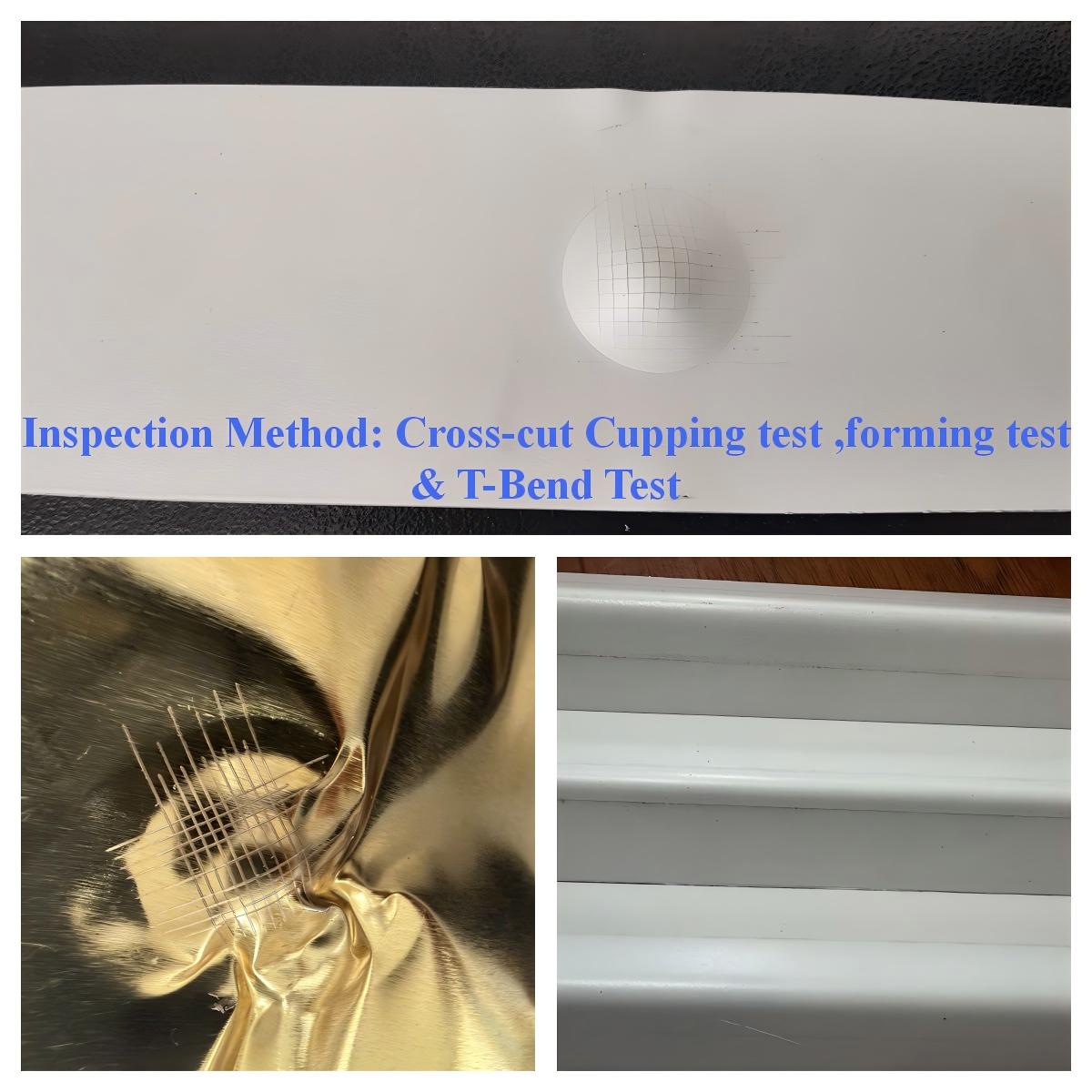
High-speed forming lines cannot tolerate batch-to-batch variation. A supplier should demonstrate a batch-sampling protocol that includes cross-cut cupping, forming tests, and standard T-bend tests. These tests simulate post-forming processes and verify coating flexibility and adhesion. Process control is a leading indicator of reliability.
Detailed Comparison: MoS2 Coated Steel Coil vs. NBR Rubber Coated Steel
MoS2 coated steel coil is a category of high-performance color coated steel that is frequently compared with NBR rubber coated steel in automotive sealing applications. The comparison is useful because it illustrates how a material decision affects performance, maintenance, and cost.
| Comparison Criteria | MoS2 Coated Steel Coil | NBR Rubber Coated Steel |
|---|---|---|
| Primary function | Extreme-pressure anti-seizure protection and permanent self-lubrication | Elastomeric sealing with a rubber coating layer |
| Thermal stability | Continuous thermal stability up to 150°C without elastomer hardening or cracking | Subject to thermal degradation, hardening, and aging |
| Chemical resistance | Inorganic MoS2 layer provides permanent bonding and chemical inertness | Prone to oil-induced swelling, hardening, and peeling |
| Maintenance | Zero maintenance due to inorganic coating stability | Requires monitoring for elastomer degradation |
| Cost | Approximately 50% direct material cost reduction vs. NBR rubber coated steel | Higher direct material cost |
| Best-fit applications | Automotive cylinder head gaskets, exhaust manifold gaskets, turbocharger seals, heavy-duty powertrain joints | Traditional rubber-coated sealing applications |
The MoS2 coating is not a surface additive that can fail under heat. The self-lubricating MoS2 crystalline structure reduces micro-frictional drag under high-vibration sealing interfaces, which minimizes parasitic energy losses and extends component life. For a sealing supply decision, the relevant facts are thermal stability up to 150°C, chemical inertness, and reduced material cost.
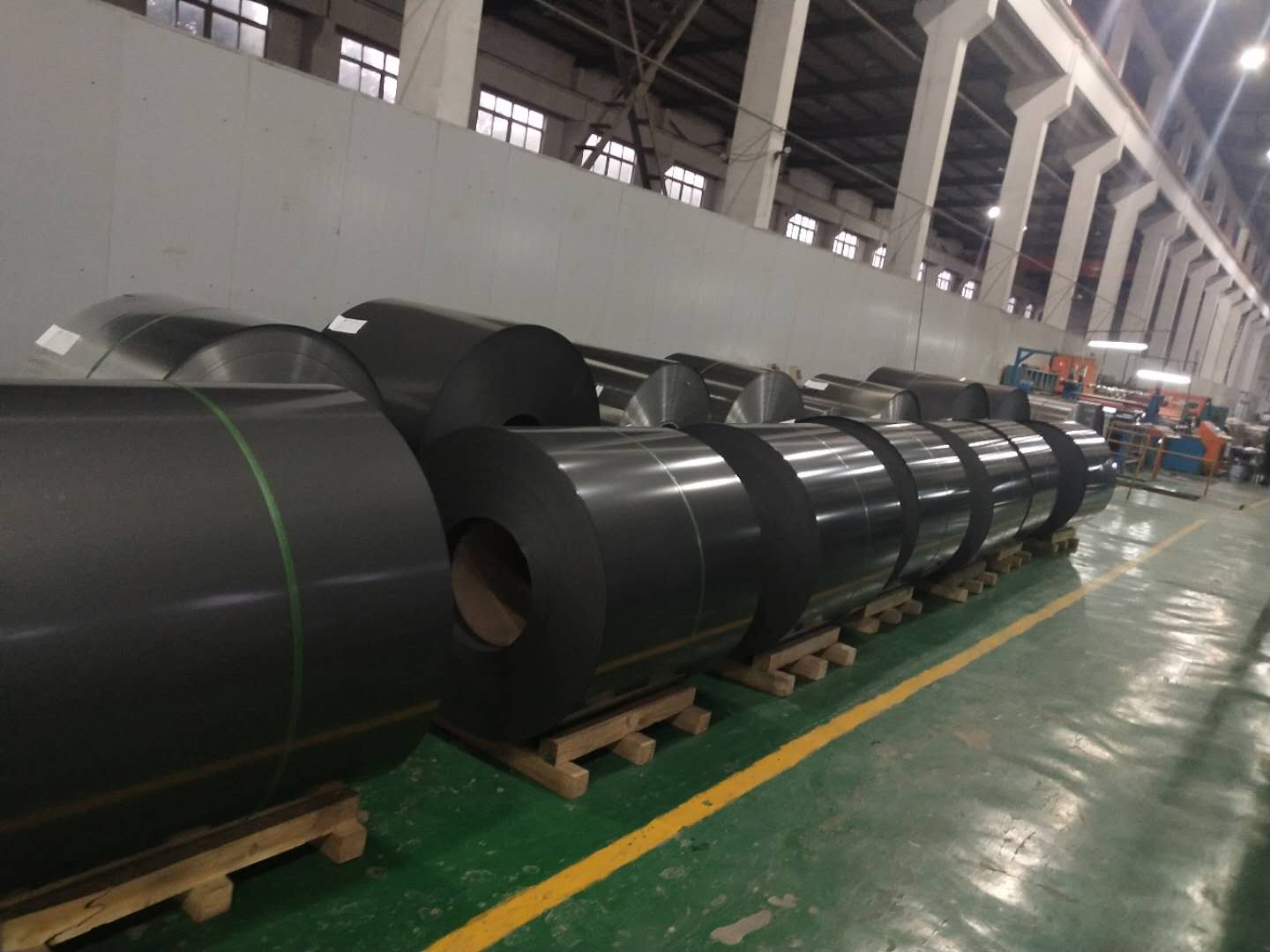
Detailed Comparison: Precision-Stamping Steel Strip vs. Construction-Grade PPGI
A second decision point is the difference between precision-stamping steel strip and standard construction-grade PPGI. Many buyers compare prices first, but the two products are not interchangeable.
| Comparison Criteria | Precision-Stamping Steel Strip | Standard Construction-Grade PPGI |
|---|---|---|
| Design intent | Precision engineering for deep-drawing and automated stamping | Mass production for roofing and wall cladding |
| Stamping rejection rate | Less than 0.1% | Greater than 5% |
| Forming stability | No peeling; consistent forming stability | Paint shedding causes frequent mold cleaning and downtime |
| Total cost | Higher initial material cost, lower total fabrication cost due to zero production waste | Lower initial material cost, higher fabrication waste and downtime |
| Best-fit applications | High-end electronics housings, precision hardware components, premium packaging | Roofing, wall cladding, general construction |
Application-by-Application Selection Guide
The following use cases show how coating selection changes with the end-use environment.
Oil Refinery and Chemical Processing
PVDF white color coated steel coil for insulated pipes in the oil refinery must resist chemical exposure and elevated temperatures. PVDF coatings are specified for UV and chemical resistance. The supplier should confirm the coating thickness and the test method used to verify chemical resistance.
Electricity and Power Infrastructure
White color powder color coated steel sheet with Z200 or Z275 galvanized coating is selected for electrical enclosures and infrastructure. Z275 is a reference standard for high-corrosion environments in solar and industrial electricity infrastructure.
Automotive Sealing Systems
High temperature resistant color coated steel coil and wear resistant black color coated steel strip are used in engine and exhaust systems. MoS2 coated steel is preferred for cylinder head gaskets and turbocharger seals because the inorganic solid lubricant does not degrade under heat. Oil resistant black color coated steel sheet is relevant where oil exposure is continuous.
Packaging and Food Contact
Food grade color coated steel sheet must meet FDA or EU food-contact standards. RoHS and REACH compliance is also relevant when the packaging or product is sold in regulated markets. Nonstick ECCS grey silver color coated steel sheet is used in packaging and release applications.
Medical, Cold Chain, and Hygiene-Sensitive Applications
Antibacterial matte white color coated steel coil is used in environments where surface hygiene is critical. The antibacterial coatings segment is growing at a CAGR of 7.2%, driven by cold chain and medical facility requirements.
Cookware and Release Applications
Nonstick coated steel strip and non stick aluminum color coated coil are used in cookware and industrial release applications. The coating must survive repeated heating and mechanical cleaning. The substrate must be selected for heat distribution and formability.
Electronics and Precision Components
Precision-stamping steel strip is used for high-end electronics housings and precision hardware. The material must deliver consistent forming stability and no peeling. RoHS/REACH compliance is a default requirement for electronics.
Technical Parameters and Compliance Checklist
When issuing an inquiry or comparing quotes, use the following checklist to ensure that the supplier understands the requirement.
- Substrate specification: cold rolled, electro-galvanized, hot-dip galvanized, aluminized, tinplate/ECCS, or stainless steel.
- Zinc coating weight: Z200, Z275, or custom; confirm according to ASTM A653 / EN 10346.
- Coating system: PVDF, polyester, MoS2, nonstick, PET film, PVC film, antibacterial, food-grade, or three-coat three-bake.
- Forming requirement: T-bend, deep drawing, stamping, roll forming, or severe forming. Request cross-cut cupping and T-bend test evidence.
- Thickness and width: for MoS2 coated steel coil, the reported gauge range is 0.20 mm to 0.30 mm thickness and 4.0 mm to 1250 mm width; for other materials, confirm the full available range.
- Compliance: RoHS 2.0, REACH, FDA 21 CFR 175.300, EU No 10/2011, or other applicable standards.
- Use environment: maximum continuous temperature, chemical exposure, UV exposure, oil immersion, or hygiene requirement.
- Packaging and slitting: confirm inner diameter, coil weight, strip width, and edge condition for automated feeding lines.
Supplier Evaluation: What to Verify Before Placing an Order
Instead of relying on “which manufacturer is better” rankings, verify the following supplier capabilities directly.
Manufacturing and Processing Capability
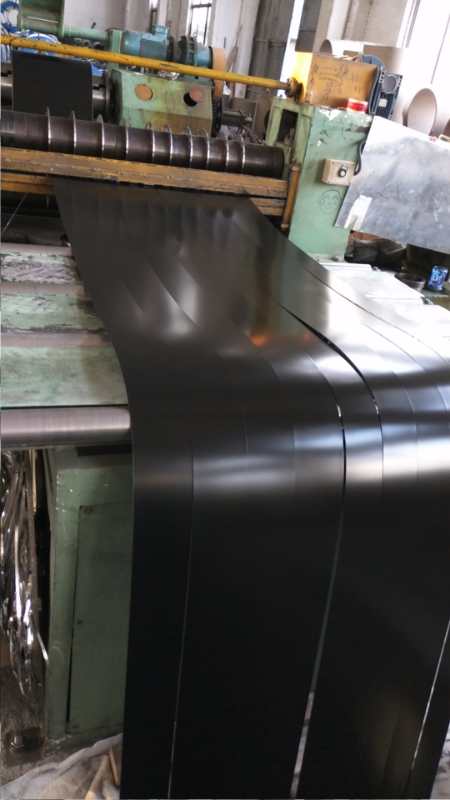
A specialized supplier should operate dedicated coating lines and precision slitting machines. Chongqing Youngson Metal Products Co., Ltd. is a BV ISO9001:2015 certified manufacturer founded in 2016, with an annual processed capacity exceeding 10,000 tons. The company focuses on precision metal surface processing and premium coil supplying, with a team of 25 employees and 5 R&D engineers and senior process technicians.
Export and Market Experience
Youngson exports approximately 70% of its output to global markets. The company reports SGS testing for REACH and RoHS heavy metal regulations. Export experience matters because compliance documentation, packaging, and lead times differ by destination.
Product Range and Customization
A broader product range is not always better, but it indicates process capability. Youngson supplies drawn PET film laminated steel coil, drawn VCM PVC film laminated steel coil, deep drawn coil coating (Teflon, nonstick, gold, and lacquered), commercial and deep drawn pre-painted steel and pre-painted stainless steel, plus mild carbon steel grades and multi-grade stainless steel. This range supports OEM and specialty coating requirements.
Testing and Risk Control
Ask for batch-sampling evidence. Youngson implements a rigorous batch-sampling protocol for cross-cut cupping, forming tests, and standard T-bend tests. These tests simulate post-forming processes and ensure that each production lot has coating flexibility and reliable adhesion.
Cost Considerations and Budget Planning
Specialty coatings require a different budgeting approach than construction-grade material.
- Compare total fabricated part cost, not cost per ton.
- Include rejection rate, mold cleaning downtime, and production waste.
- For MoS2 coated steel, the direct material cost reduction versus NBR rubber coated steel is reported at 50%.
- For precision-stamping strip, the rejection rate below 0.1% reduces scrap and inspection cost.
- For food-grade and RoHS/REACH-compliant material, the compliance documentation reduces market-access risk.
Comparative Overview: Youngson Specialty Materials vs. Global High-Volume Producers
Large producers such as ArcelorMittal, Nippon Steel, BlueScope Steel, and Baosteel dominate volume-oriented color coated steel supply. For buyers who need specialty functional coatings, a focused manufacturer with dedicated coating lines and slitting equipment can be a more practical choice. The comparison below is based on publicly known positioning; actual selection should be based on sample testing and total cost of ownership.
| Evaluation Dimension | Global High-Volume Producers | Specialty Manufacturer (e.g., Youngson Metal) |
|---|---|---|
| Core strength | Scale, brand recognition, broad distribution | Engineered coatings, deep-drawing grades, custom slitting |
| Typical focus | Construction, automotive, appliances at scale | Food-grade, MoS2, nonstick, film-laminated, precision stamping |
| Compliance approach | Standards-driven, high-volume certifications | SGS-tested REACH/RoHS compliance, specialty food-grade programs |
| Minimum order flexibility | Often higher MOQ for specialty grades | More flexible for specialty and OEM requirements |
This table is not a ranking. It is a decision aid. Buyers should match the supplier’s focus to the product application.
Step-by-Step Sourcing Process for Specialty Color Coated Steel
- Define the application: document the use environment, forming process, compliance requirement, and expected service life.
- Shortlist coating systems: select two or three coating systems that fit the application, such as PVDF for chemical exposure or MoS2 for sealing.
- Select substrate and gauge: confirm substrate type, zinc coating weight, thickness, and width.
- Send a technical inquiry: include the checklist from this article, not just a product name.
- Request samples and test evidence: ask for T-bend, cross-cut cupping, forming test, and any applicable compliance certificates.
- Run a pilot production: stamp, form, or fabricate a small batch to validate performance.
- Evaluate total cost: compare material cost plus rejection rate, downtime, waste, and logistics.
- Qualify the supplier: confirm the coating line, slitting capability, batch-sampling protocol, and export documentation.
Risk Control and Quality Assurance
Coating fatigue, micro-cracking, and adhesion loss can occur when a material is subjected to continuous mechanical stress in high-speed forming lines. To manage this risk, buyers should verify that the supplier conducts standardized stress-deformation testing and interfacial bonding strength checks.
At Youngson, each production lot is subject to batch-sampling cross-cut cupping, forming tests, and standard T-bend tests. These tests simulate the post-forming process and verify that the coating remains flexible and adherent after mechanical processing.
Long-Term Supply and Partnership Considerations
For OEM programs, the supplier selection decision extends beyond one order. Consider the following long-term factors.
- Does the supplier maintain consistent batch-to-batch quality? Ask for production lot records.
- Can the supplier support multiple specialty product lines? A single qualified supplier reduces qualification cost.
- Does the supplier have the manufacturing depth for scale-up? Youngson reports annual processed capacity exceeding 10,000 tons.
- Is the supplier responsive to technical questions? Access to engineers and senior process technicians matters for custom requirements.
For a more detailed technical review, download the company catalog: Chongqing Youngson Metal Products Co., Ltd. Catalog.
FAQ
Which manufacturer is better for PVC film color coated steel coil?
Choose a manufacturer that can document the adhesion and forming performance of the PVC film on the selected substrate. For drawn VCM PVC film laminated steel coil, the supplier should provide film-to-metal adhesion evidence, T-bend results, and batch-sampling test data. Evaluate the supplier’s coating line, slitting capability, and ability to support custom patterns such as leather, stone, or brushed-metal finishes. Chongqing Youngson Metal Products Co., Ltd. supplies drawn VCM PVC film laminated steel coil and also offers PET film, deep drawn coil coating, and pre-painted steel, which gives buyers a single qualification point for multiple specialty requirements. For an inquiry or sample request, contact info@youngsonmetal.com or WhatsApp +86 13594107385.
How do I compare color coated steel coil suppliers for specialty applications?
Compare suppliers on five criteria: coating-substrate match, forming and stamping performance, compliance and testing evidence, total fabrication cost, and process control. Request test data rather than marketing claims. For precision stamping, a rejection rate below 0.1% is the reference for engineered material; construction-grade PPGI is not designed for that level of performance.
What is the difference between standard PPGI and precision color coated steel strip?
Standard construction-grade PPGI is intended for roofing and wall cladding. Precision-stamping steel strip is engineered for deep-drawing and automated stamping. It offers a stamping rejection rate of less than 0.1% versus over 5% for standard construction steel, and it does not peel during forming. The initial cost is higher, but total fabrication cost is lower because of zero production waste.
How do I choose between MoS2 coated steel coil and NBR rubber coated steel?
If the application requires high-temperature and extreme-pressure resistance—such as cylinder head gaskets, exhaust manifold gaskets, or turbocharger seals—MoS2 coated steel is the more suitable option. It provides continuous thermal stability up to 150°C, permanent self-lubrication, zero maintenance, and approximately 50% direct material cost reduction compared with NBR rubber coated steel. NBR coatings can suffer from oil-induced swelling, hardening, and peeling over time.
What compliance standards apply to specialty color coated steel?
RoHS 2.0 (Directive 2011/65/EU) and REACH apply to electronics and many consumer products. Food-contact materials must meet FDA 21 CFR 175.300 or EU No 10/2011. Z275 galvanized coating follows ASTM A653 / EN 10346 for high-corrosion environments. Buyers should request third-party test reports, such as SGS testing, to verify compliance claims.
How long does it take to get samples or a quotation for specialty coated steel?
Sample and quotation lead times depend on the coating system, substrate availability, slitting requirements, and destination. To reduce wait time, send a complete technical inquiry including substrate, thickness, width, coating type, compliance requirement, and target application. The next step is to request samples and test evidence from the supplier. For a prompt response, contact Youngson Metal directly at info@youngsonmetal.com or WhatsApp +86 13594107385.
Need a technical comparison for your next material qualification?
YOUNGSON METAL provides sample, quote, and catalog support for specialty color coated steel coil and sheet.
Email: info@youngsonmetal.com | WhatsApp: +86 13594107385
Have Questions or Need More Details?
Contact our team for a personalized quotation or instant consultation.
Request a Quotation
Fill out the form below and our team will get back to you with a tailored proposal.
WhatsApp Direct Chat
Prefer to chat in real-time? Message us on WhatsApp for instant assistance & quick answers.
- Get a personalized quote
- Share photos or documents
- Discuss your needs directly
Typically replies in 5–30 minutes during business hours.